Meet Easypay: The Design Asset That Feels Like Magic
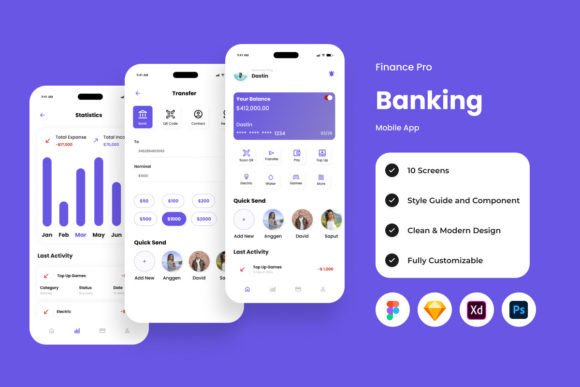
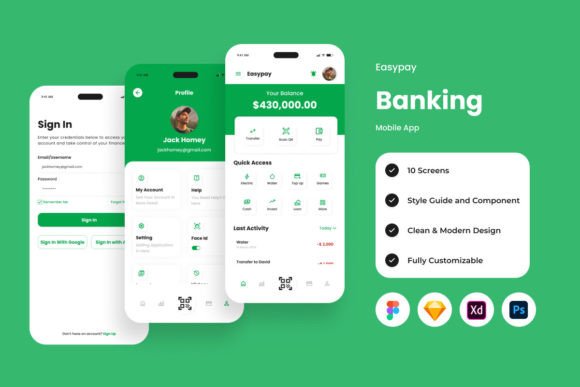
We’ve all been there—juggling multiple apps to pay a bill, send money to a friend, or grab a quick coffee. The digital wallet experience often feels fragmented and clunky. That friction is exactly what the Easypay - Banking Mobile App design concept aims to dissolve. It isn’t just a mockup; it’s a vision of financial interaction stripped down to its most intuitive, almost magical, form. The core idea is simple: transactions should feel as effortless as a wave of a wand. Tap, swipe, and voilà—your financial world is managed. This philosophy of seamless utility is woven into every pixel of the design, making it a compelling case study for anyone interested in modern typography and user-centric interfaces.
A Visual Language of Clarity and Trust
The personality of Easypay is one of calm competence. Its visual style is decidedly minimalist, but never cold. The layout is a masterclass in visual hierarchy, guiding the eye effortlessly from primary actions to secondary details. White space isn't empty; it's a deliberate design element that reduces cognitive load, letting the essential information breathe. The color palette likely leans towards calming blues, clean whites, and purposeful accents of green or purple—colors that subconsciously signal security, growth, and innovation. This isn't a loud, attention-grabbing interface; it's a quiet, confident one that earns trust through clarity. For designers, this approach demonstrates how a high-quality screen layout design can directly influence user perception, making the app feel more professional and secure before a single feature is even used.
Where this design truly shines is in its versatility for real-world projects. The easy-to-adjust layers and well-organized file structure (available in .fig, .xd, .sketch, and .psd) mean it’s not just a static image. It’s a practical toolkit. A startup founder could use these screens to quickly prototype their fintech MVP. A marketing professional could adapt the clean dashboard visuals for a presentation on customer journey mapping. A content creator or blogger could use the sleek transaction history interface as a background for a financial tips video, ensuring the visual context is both modern and credible. The design’s strength lies in its adaptability—it provides a solid, professional foundation that can be molded to fit specific brand identity needs without starting from scratch.
Strategic Font Pairing for Seamless Branding
While the provided asset package focuses on the UI, the choice of open source fonts mentioned is a critical detail. In a project like this, the typography would need to be a sans serif font—something like Inter, Poppins, or DM Sans. These typefaces are the workhorses of web design and app interfaces for good reason. Their geometric clarity and generous x-heights ensure superb readability at small sizes on high-resolution screens, which is non-negotiable for financial data. The use of a premium font isn't about luxury; it's about functional precision. A well-chosen sans serif establishes a tone that is friendly yet authoritative, modern yet timeless—exactly the balance a banking app needs.
Thinking beyond the app, the principles demonstrated here are invaluable for broader branding. Imagine developing the logo design and full brand identity for a financial service inspired by Easypay. The core sans serif from the UI could become the primary typeface for all editorial design, from white papers to website copy, ensuring consistency. For a display font in headlines or a campaign tagline, you might pair it with a complementary, slightly more characterful sans serif or even a restrained script font for a human touch on a welcome email. The key is that the app’s design provides a direct lesson in font pairing: the primary typeface handles the heavy lifting of information, while a secondary font can add personality without sacrificing the overall professional tone. This kind of strategic type selection directly impacts audience engagement, making communications feel cohesive and intentional.
From Digital Mockup to Cross-Platform Design Asset
The true value of a resource like the Easypay - Banking Mobile App file extends far beyond its original context. Its global text and color styles are a huge time-saver, allowing for rapid, consistent adjustments across an entire project. For a small business owner or entrepreneur, this is a practical shortcut to achieving a polished, professional look in their digital materials, be it a pitch deck, a social media campaign, or an app prototype. The compatibility with major design tools like Figma, Sketch, Adobe XD, and Photoshop means it meets professionals where they already work, reducing friction in the creative process.
Consider a packaging design project for a new fintech product. The clean lines and balanced composition of the Easypay screens could inspire the layout of the physical box or instruction manual, creating a seamless omnichannel brand experience. For social media graphics, the app’s transaction screens can be repurposed into engaging visual stories—perhaps a “how-to” series on managing subscriptions or a celebration graphic for a user’s savings milestone. The design’s neutrality is its strength; it doesn’t impose a specific story but provides a compelling stage for your own narrative. This adaptability makes it a powerful design asset for crafters and hobbyists building personal projects as much as for agencies delivering commercial work.
Ultimately, the Easypay concept reminds us that the best interfaces feel inevitable. They remove barriers between intention and action. By studying its layout, its restrained use of color, and its commitment to readability, we gather practical lessons for our own work. It shows how thoughtful design can make complex tasks—like financial management—feel simple, safe, and even a little magical. That’s a powerful takeaway for any creative professional aiming to build interfaces, brands, or content that truly serves its audience.